Dentistry, the branch of medicine concerned with the study, diagnosis, prevention, and treatment of diseases, disorders, and conditions of the oral cavity, commonly known as the mouth, is a highly esteemed profession that offers numerous opportunities for personal and professional growth. To become a dentist, an individual must successfully navigate a comprehensive educational and training pathway that typically spans over a decade.
The journey towards becoming a dentist commences with the pursuit of a bachelor's degree, often in a science-related field such as biology or chemistry. Upon completion of undergraduate studies, aspiring dentists must then successfully complete four years of dental school, where they receive specialized training in various aspects of dentistry, including anatomy, physiology, pathology, pharmacology, and clinical dentistry. Following dental school, graduates must pass rigorous national and state board examinations to obtain licensure to practice dentistry.
Once licensed, dentists can choose to specialize in a particular area of dentistry, such as orthodontics, periodontics, or endodontics, through additional training and education. Continuous professional development is essential for dentists to stay abreast of the latest advancements in the field and to provide their patients with the highest quality of care.
How do you become a dentist?
Becoming a dentist requires dedication, hard work, and a commitment to continuous learning. Here are five key aspects to consider:
- Education: A strong academic foundation is essential, including a bachelor's degree and a doctorate of dental surgery (DDS) or doctor of dental medicine (DMD) degree.
- Skills: Dentists need excellent manual dexterity, problem-solving abilities, and communication skills.
- Experience: Clinical experience through internships, externships, and part-time jobs provides valuable hands-on training.
- Licensure: After graduating from dental school, dentists must pass national and state board exams to obtain a license to practice.
- Continuing education: Dentistry is a rapidly evolving field, so dentists must commit to ongoing learning to stay up-to-date on the latest techniques and technologies.
These five aspects are essential for anyone who wants to become a dentist. With hard work and dedication, it is possible to achieve your goal of a rewarding career in dentistry.
Education
A strong academic foundation is essential for anyone who wants to become a dentist. This foundation begins with a bachelor's degree, typically in a science-related field such as biology or chemistry. During their undergraduate studies, aspiring dentists complete coursework in the sciences, mathematics, and the humanities. This coursework provides them with the knowledge and skills they need to succeed in dental school.
After completing their bachelor's degrees, aspiring dentists must then complete four years of dental school. During dental school, students receive specialized training in the various aspects of dentistry, including anatomy, physiology, pathology, pharmacology, and clinical dentistry. They also complete clinical rotations, which provide them with hands-on experience in treating patients. Upon graduating from dental school, dentists must pass rigorous national and state board examinations to obtain a license to practice dentistry.
The education and training required to become a dentist is rigorous, but it is essential for providing patients with the highest quality of care. Dentists must have a strong understanding of the sciences and the humanities, as well as the clinical skills necessary to treat patients effectively. With a strong academic foundation, dentists can be confident that they have the knowledge and skills they need to succeed in their chosen profession.
Skills
The skills required to become a dentist are as diverse as the profession itself. Dentists need excellent manual dexterity to perform delicate procedures, such as fillings, extractions, and root canals. They also need strong problem-solving abilities to diagnose and treat oral health issues. Additionally, dentists must have excellent communication skills to explain procedures to patients and build rapport.
The importance of these skills cannot be overstated. Manual dexterity is essential for performing dental procedures accurately and efficiently. Problem-solving abilities are necessary for diagnosing and treating oral health issues effectively. And communication skills are vital for building trust with patients and ensuring that they understand their treatment options.
Real-life examples of these skills in action are abundant. For instance, a dentist with excellent manual dexterity can place a filling without causing any discomfort to the patient. A dentist with strong problem-solving abilities can diagnose a complex oral health issue and develop a tailored treatment plan. And a dentist with excellent communication skills can explain a complex procedure to a patient in a way that is easy to understand.
The practical significance of understanding the connection between skills and dentistry is clear. By developing these skills, aspiring dentists can increase their chances of success in the field. Additionally, patients can benefit from the expertise of dentists who possess these skills.
Experience
Clinical experience is an essential component of dental education. It provides students with the opportunity to apply their knowledge and skills in a real-world setting. Through internships, externships, and part-time jobs, students can gain valuable hands-on training in all aspects of dentistry, from patient care to practice management.
- Patient Care: Clinical experience allows students to interact with patients and provide them with dental care under the supervision of licensed dentists. This experience helps students develop their clinical skills and learn how to effectively communicate with patients.
- Practice Management: Clinical experience also provides students with the opportunity to learn about the business side of dentistry. They can gain experience in scheduling appointments, managing patient records, and ordering supplies. This experience helps students prepare for the challenges of running their own practice.
- Career Exploration: Clinical experience can also help students explore different career options in dentistry. By working in different settings, such as private practices, hospitals, and community health centers, students can learn about the different types of dentistry and decide which career path is right for them.
Overall, clinical experience is an essential part of dental education. It provides students with the opportunity to develop their clinical skills, learn about practice management, and explore different career options. This experience helps students prepare for the challenges of practicing dentistry and provides them with the foundation they need to succeed in their chosen profession.
Licensure
Licensure is a critical component of becoming a dentist. It is the process by which dentists demonstrate that they have the knowledge and skills necessary to practice dentistry safely and effectively. To obtain a license, dentists must pass both national and state board exams.
The national board exams are administered by the National Board of Dental Examiners (NBDE). There are four parts to the NBDE:
- Part I: Basic Sciences
- Part II: Dental Anatomy and Occlusion
- Part III: Patient Management
- Part IV: Clinical Dentistry
The state board exams are administered by each individual state. The state board exams typically cover similar topics as the NBDE, but they may also include some state-specific content. Dentists must pass the state board exam in the state in which they wish to practice.
The process of obtaining a dental license can be challenging, but it is essential for ensuring that dentists are qualified to provide safe and effective care to their patients. Dentists who are licensed are held to a high standard of care and are required to complete continuing education courses to stay up-to-date on the latest advances in dentistry.
Continuing education
Continuing education is an essential component of being a dentist. Dentistry is a rapidly evolving field, with new techniques and technologies being developed all the time. In order to provide the best possible care to their patients, dentists must commit to ongoing learning to stay up-to-date on the latest advances.
- Keeping up with new techniques: New techniques are constantly being developed in dentistry, from new ways to perform root canals to new methods of teeth whitening. Dentists who want to stay ahead of the curve and provide the best possible care to their patients must commit to learning these new techniques.
- Staying up-to-date on new technologies: New technologies are also constantly being developed in dentistry, from new imaging technologies to new dental materials. Dentists who want to use the latest and greatest technologies in their practice must commit to learning how to use these technologies effectively.
- Meeting continuing education requirements: Most states require dentists to complete a certain number of continuing education hours each year in order to maintain their license. These continuing education requirements ensure that dentists are staying up-to-date on the latest advances in dentistry.
- Expanding knowledge and skills: Continuing education can also help dentists expand their knowledge and skills in specific areas of dentistry. For example, a dentist who wants to learn more about cosmetic dentistry can take continuing education courses in this area.
Continuing education is an essential part of being a dentist. Dentists who commit to ongoing learning can provide the best possible care to their patients and stay ahead of the curve in the rapidly evolving field of dentistry.
FAQs
Individuals interested in pursuing a career in dentistry often have questions about the necessary steps and qualifications. Here are answers to some frequently asked questions:
Question 1: What are the educational requirements to become a dentist?
To become a dentist, an individual must complete a bachelor's degree, typically in a science-related field, followed by four years of dental school, leading to a Doctor of Dental Surgery (DDS) or Doctor of Dental Medicine (DMD) degree.
Question 2: What skills are essential for dentists?
Dentists require a combination of technical and interpersonal skills. They must possess excellent manual dexterity, problem-solving abilities, and communication skills to effectively diagnose and treat oral health issues while interacting with patients.
Question 3: How can I gain clinical experience before becoming a dentist?
Aspiring dentists can gain valuable hands-on experience through internships, externships, and part-time jobs in dental settings. These opportunities provide practical exposure to various aspects of dentistry.
Question 4: What is the process of obtaining a dental license?
After graduating from dental school, individuals must pass national and state board exams administered by the National Board of Dental Examiners (NBDE) and the relevant state dental board, respectively. Licensure ensures dentists meet the necessary standards of knowledge and competence to practice independently.
Question 5: Is continuing education required for dentists?
Yes, continuing education is crucial for dentists to stay updated with advancements in dental techniques, technologies, and best practices. Most states mandate dentists to complete a certain number of continuing education hours to maintain their licenses.
Question 6: What are the career prospects for dentists?
Dentistry offers diverse career opportunities, including private practice, academia, research, public health, and specialized fields such as orthodontics or endodontics. The demand for qualified dentists remains high, providing ample employment opportunities.
Understanding the pathway to becoming a dentist and the essential requirements involved can help individuals make informed decisions about pursuing this rewarding profession.
Transition to the next article section:
Tips for Becoming a Dentist
Pursuing a career in dentistry requires dedication and a commitment to excellence. Here are some tips to guide you on your journey:
Tip 1: Excel in Science Courses
Throughout your undergraduate studies, prioritize science courses like biology, chemistry, and physics. A strong foundation in these subjects will prepare you for the rigors of dental school.
Tip 2: Gain Hands-On Experience
Seek opportunities for internships, shadowing, or volunteering in dental clinics. These experiences provide invaluable practical knowledge and exposure to the profession.
Tip 3: Develop Manual Dexterity
Dental procedures require precision and dexterity. Engage in activities that enhance your fine motor skills, such as playing a musical instrument or practicing arts and crafts.
Tip 4: Cultivate Communication Skills
As a dentist, you will interact with patients from diverse backgrounds. Develop strong communication skills to effectively explain diagnoses, treatment options, and oral hygiene practices.
Tip 5: Stay Updated with advancements
Dentistry is constantly evolving. Dedicate yourself to continuous education and staying abreast of the latest techniques and technologies through conferences, workshops, and scientific literature.
Tip 6: Prepare for Dental School
Admission to dental school is competitive. Maintain a high GPA, participate in extracurricular activities, and prepare thoroughly for the Dental Admissions Test (DAT).
Tip 7: Network with Professionals
Attend industry events, connect with dentists on LinkedIn, and seek mentorship opportunities. Networking can provide valuable insights and support throughout your journey.
Tip 8: Explore Different Dental Fields
Dentistry offers various specialties, such as orthodontics, periodontics, and oral surgery. Explore these fields through rotations or research projects to identify an area that aligns with your interests.
Following these tips can enhance your chances of success in becoming a dentist. Remember, the journey requires hard work, dedication, and a passion for improving oral health.
Transition to the article's conclusion:
Conclusion
The path to becoming a dentist requires a multifaceted approach encompassing academic excellence, practical experience, and a commitment to lifelong learning. Throughout this exploration of "how do you become a dentist," we have highlighted the significance of a strong academic foundation, essential skills, clinical experience, licensure, and continuous education.
Dentistry offers a rewarding and impactful career, empowering individuals to make a positive difference in the oral health and well-being of their patients. Embracing the tips and strategies outlined in this article can help you navigate the journey towards becoming a dentist successfully. Remember, the pursuit of excellence in dentistry is an ongoing endeavor, guided by the desire to provide exceptional patient care and advance the field.
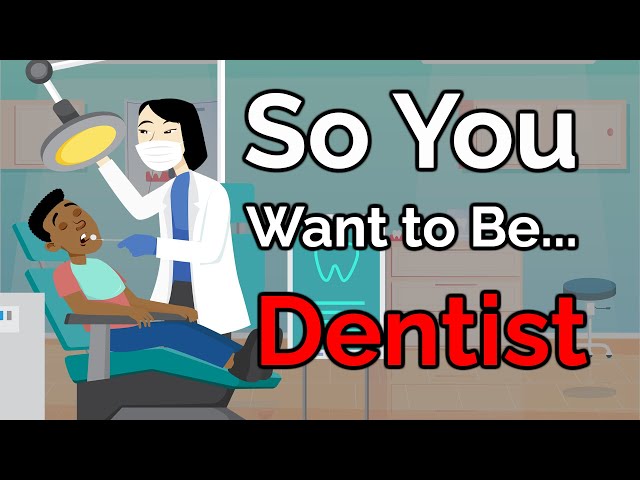
Youtube Video:




No comments:
Post a Comment